Creating Safe Learning Environments: School Cleaning Best Practices
Understanding the Importance of Cleanliness in Schools
Creating a safe learning environment is crucial for the well-being and academic success of students. A key component of this is maintaining cleanliness within school facilities. Schools are high-traffic areas where germs and bacteria can easily spread, making effective cleaning practices vital.
With the ongoing concerns about health and safety, schools must adopt rigorous cleaning protocols to minimize the risk of illness. These efforts not only protect students and staff but also provide peace of mind to parents and the community.
Developing a Comprehensive Cleaning Plan
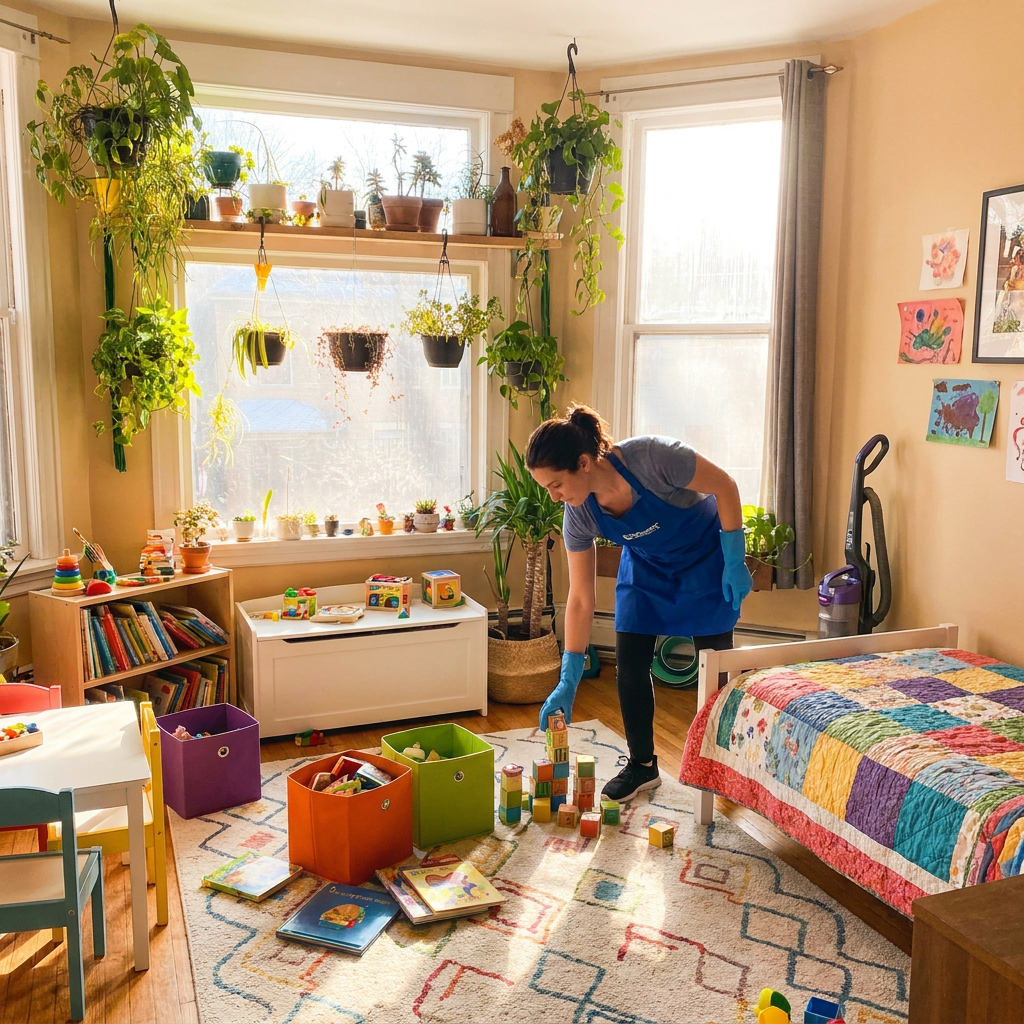
An effective school cleaning plan should address all areas of the facility, including classrooms, restrooms, cafeterias, and common spaces. It should also consider high-touch surfaces like doorknobs, desks, and computers, which require frequent disinfection.
Administrators should ensure that cleaning staff are trained in the latest cleaning techniques and understand the importance of consistency. A well-structured plan will include daily, weekly, and monthly tasks to ensure that all areas of the school are thoroughly cleaned and maintained.
Using the Right Cleaning Products
The choice of cleaning products is critical in maintaining a safe environment. Schools should use products that are effective against viruses and bacteria but also safe for children. Eco-friendly products are an excellent choice as they reduce exposure to harsh chemicals.

Incorporating Technology in Cleaning Efforts
Technology can play a significant role in enhancing cleaning practices in schools. Automated cleaning equipment, such as robotic floor scrubbers, can efficiently cover large areas, reducing the workload for staff and ensuring consistency.
Additionally, implementing technology-driven solutions like air purifiers and sanitization stations can further improve the cleanliness of the school environment. These tools help in maintaining air quality and provide easy access to hand hygiene.
Engaging the School Community
Creating a culture of cleanliness involves everyone in the school community. Educating students, teachers, and staff about the importance of hygiene and encouraging good practices can significantly impact the overall cleanliness of the school.
Simple measures, such as promoting regular handwashing and proper disposal of waste, can be integrated into daily routines. Schools can also involve students in cleaning initiatives, teaching them responsibility and pride in maintaining their environment.
Regular Monitoring and Evaluation
To ensure the effectiveness of cleaning practices, schools should regularly monitor and evaluate their cleaning protocols. This can involve routine inspections and feedback from staff and students to identify areas for improvement.
By staying proactive and adapting to new challenges, schools can continually enhance their cleaning strategies, ensuring a safe and healthy learning environment for everyone.